Problem:
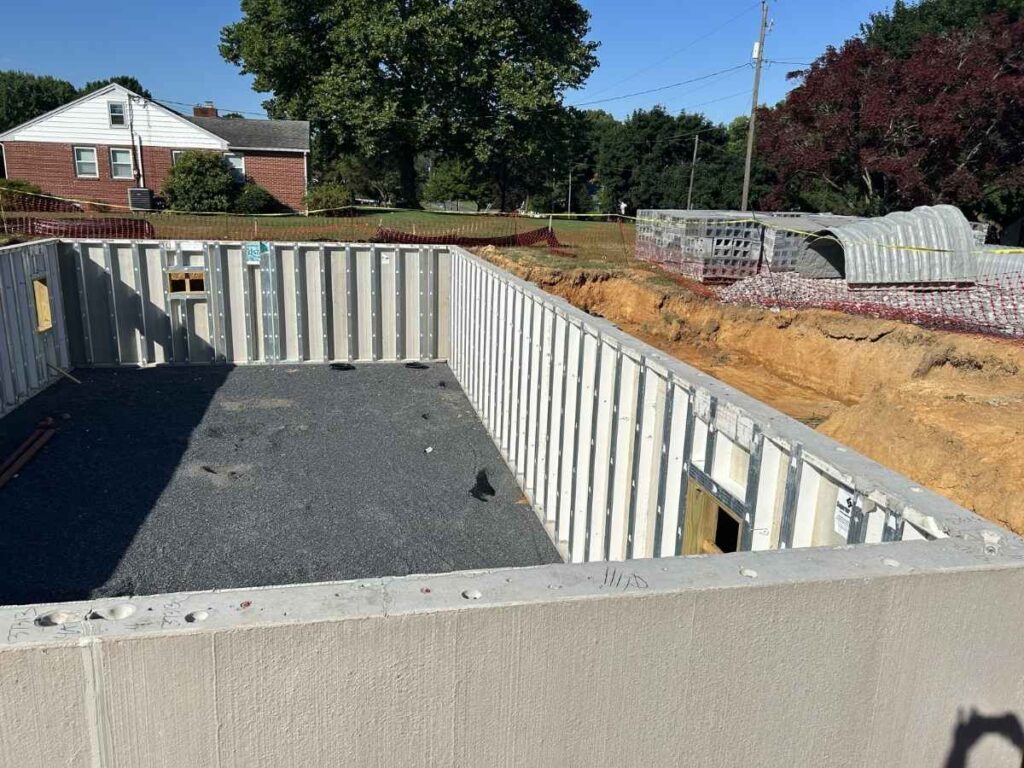
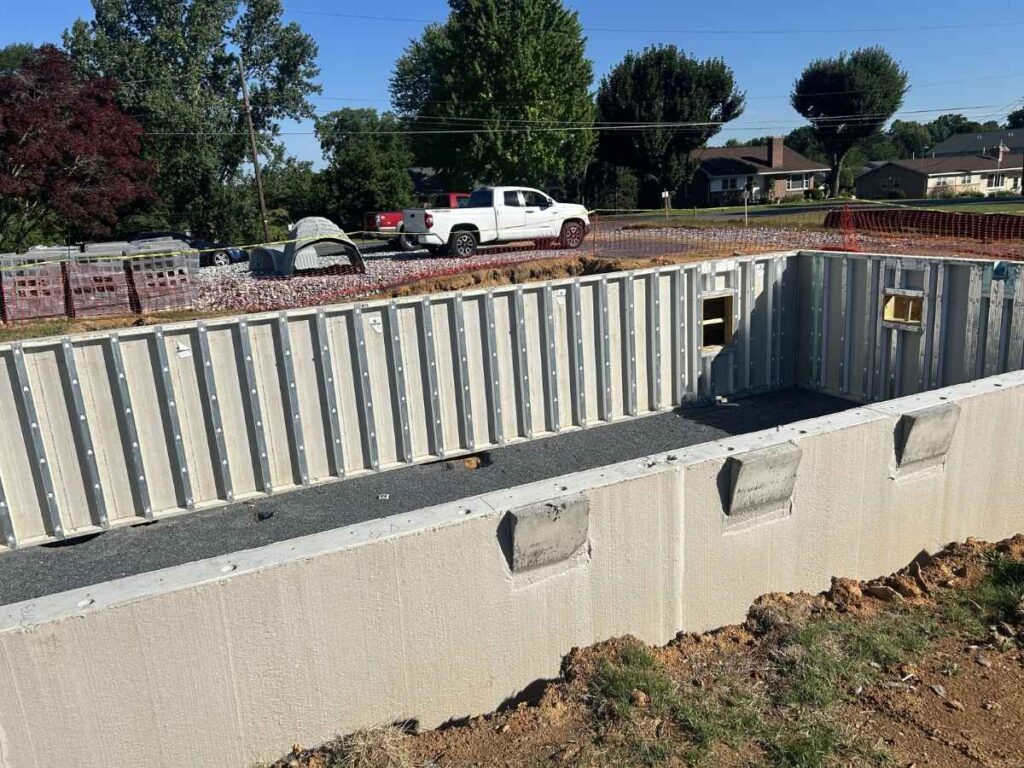
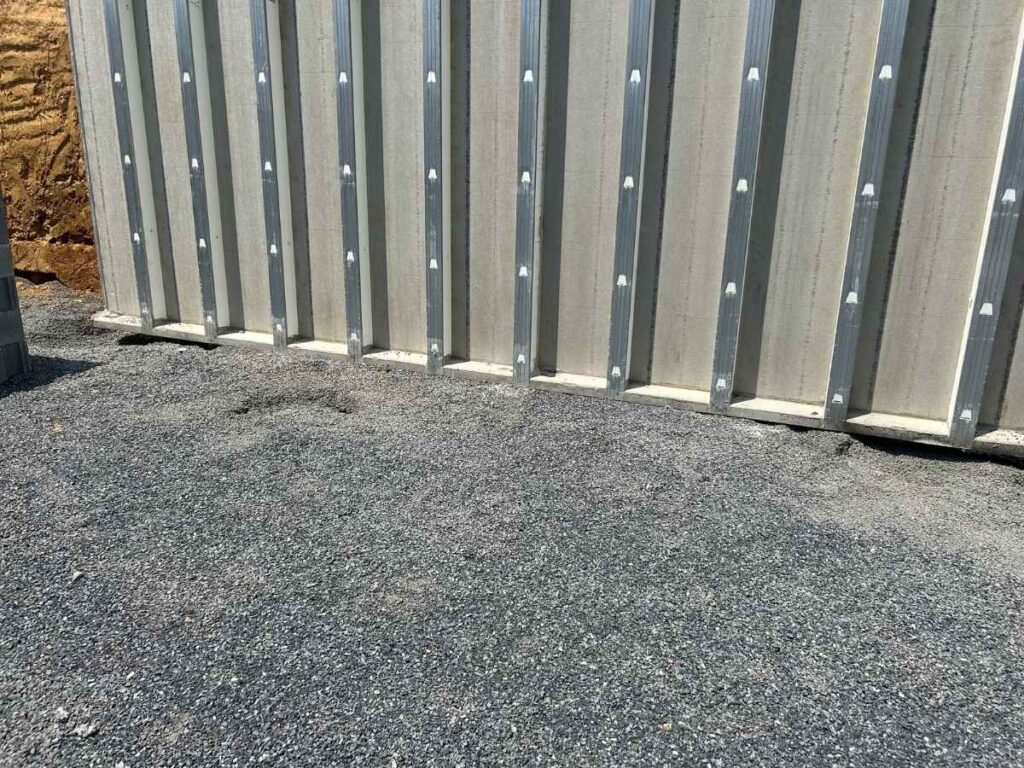
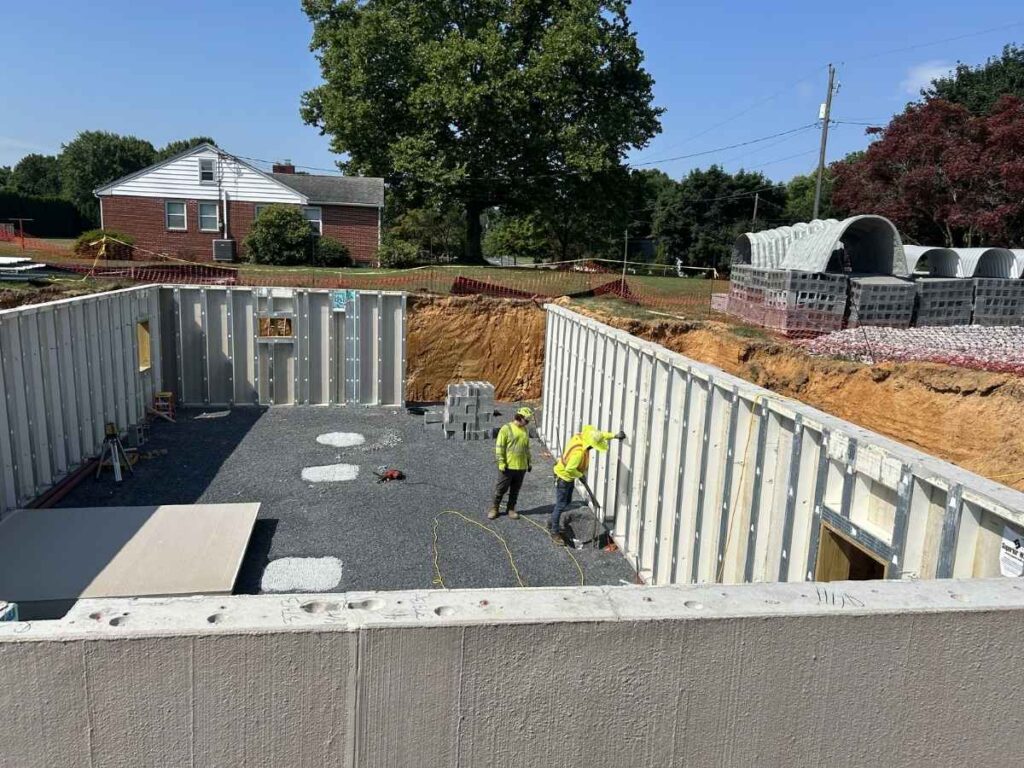
During construction of a residential structure, small sinkholes began to develop beneath sections of the load-bearing walls. These voids were likely the result of weather-related impacts during the building process, which contributed to instability within the underlying gravel fill. Complicating the issue, the structure did not include traditional continuous footings in these areas, making the bearing soils even more critical to overall stability. Without proper support, continued construction posed a risk of further settlement and structural concerns. Stabilization of the gravel fill and underlying soils was necessary for construction to safely proceed.
Solution:
USG, Inc. selected polyurethane injection as a method to stabilize the gravel fill beneath the walls of the new construction. Fifteen locations were identified for targeted, 4-foot-deep injections to address the areas where sinkholes and voids had developed.
Through these injection points, polyurethane was injected into the subsurface. As the material expanded, it traveled through the loose gravel and underlying soils, filling existing voids and compacting surrounding materials. This expansion not only sealed the sinkholes but also densified the supporting soils, increasing their load-bearing capacity.
Once cured, the polyurethane formed a rigid, structural mass within the treated zones. This helped to lock the soils in place, reducing the potential for future movement and mitigating the risk of additional sinkhole formation. The process allowed for precise application with minimal disruption to the construction site, enabling stabilization to be completed efficiently so building activities could safely continue.
Results:
The polyurethane injections successfully stabilized the gravel fill and underlying soils, eliminating the voids that had led to sinkhole formation beneath the structure. By filling and reinforcing these areas, the treated soils were able to provide consistent, reliable support for the load-bearing walls.
With subsurface conditions improved, the risk of further settlement or soil movement was significantly reduced. This allowed construction to proceed with greater confidence, without the need for more invasive or time-consuming ground improvement methods. Overall, the solution provided a fast, effective means of restoring soil integrity and keeping the project on track.